
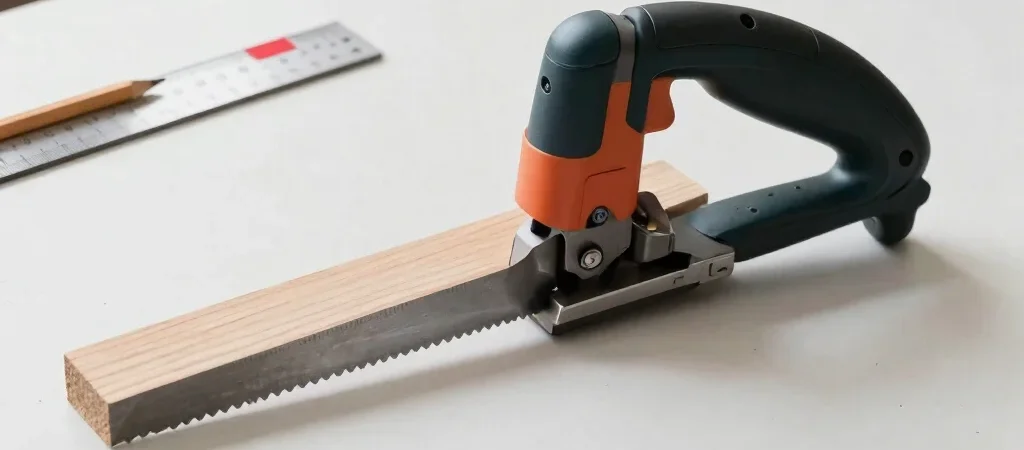
If you are used to a conventional Western handsaw, a Japanese pull saw asks for a different motion: the cutting stroke comes toward you. That design can make a fine, controlled cut possible, but it also rewards a steady hand and a blade kept in line with the cut. For home repair, it’s worth choosing for the job rather than for the novelty.
Think About the Cut First
A pull saw may suit careful trimming or small woodworking tasks where control matters more than speed. It is not a substitute for every saw: the material, thickness, and cut direction all affect what tool is appropriate. Check that the listing describes the intended materials and the type of cut instead of relying on a close-up blade photo.
Look at Blade and Handle
Blade length and tooth pattern are useful comparison points, especially if you expect to cut stock of a particular size. Some saws have replaceable blades, but compatibility can vary, so look for the model or replacement information in the listing before you count on that feature. A handle that gives you room for a relaxed, straight pull can matter more than a decorative finish.
Keep the First Cut Simple
For a first project, mark the cut clearly, secure the work, and let the saw follow a light, controlled pull rather than forcing the blade. Confirm the tool’s intended use and care instructions before starting, especially if the listing leaves material compatibility unclear. If an Amazon affiliate link appears with this guide, it may earn Japan NextGen a commission; our description reflects product listing information, not personal testing.